




If you’re shopping for a new Chevrolet in Benton, Arkansas, one of the biggest decisions you’ll make is whether buying or leasing is the right fit for your lifestyle. Each option comes with different benefits depending on how often you drive, how long you plan to keep your vehicle, and how you prefer to manage your budget. At Everett Chevrolet, we can help you compare the differences between buying and leasing a Chevrolet so you can make an informed decision and choose the option that works best for your needs.
What It Means to Buy a Chevrolet
When you finance or pay cash for a Chevrolet, you own the vehicle outright once the loan is paid off. That means no mileage restrictions, no restrictions on customization, and the freedom to keep it as long as you'd like. Buying tends to make sense if you plan to hold onto your vehicle for several years or put a lot of miles on it annually.
Over time, buying can also be the more cost-effective path. Once your loan is paid off, your monthly vehicle expenses drop significantly. If you're someone who drives more than 12,000 to 15,000 miles per year, buying gives you flexibility without worrying about milage overage fees.
What It Means to Lease a Chevrolet
Leasing a Chevrolet is essentially a long-term rental. You make monthly payments for a set term - typically 24 to 36 months - and then return the vehicle at the end of the agreement. Monthly lease payments are generally lower than loan payments, which means you may be able to get into a higher trim level for less per month.
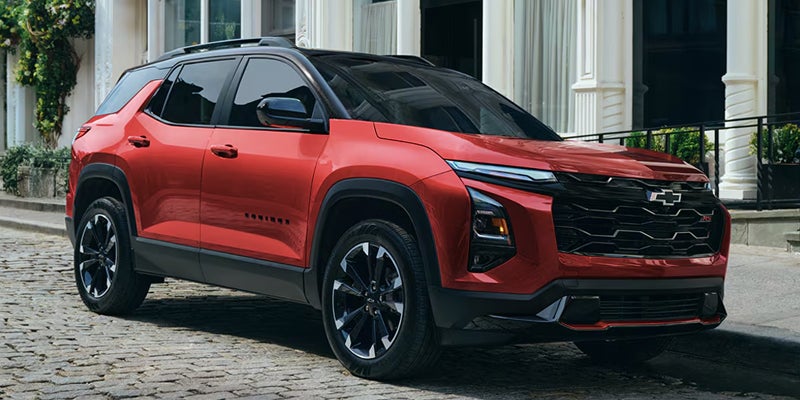
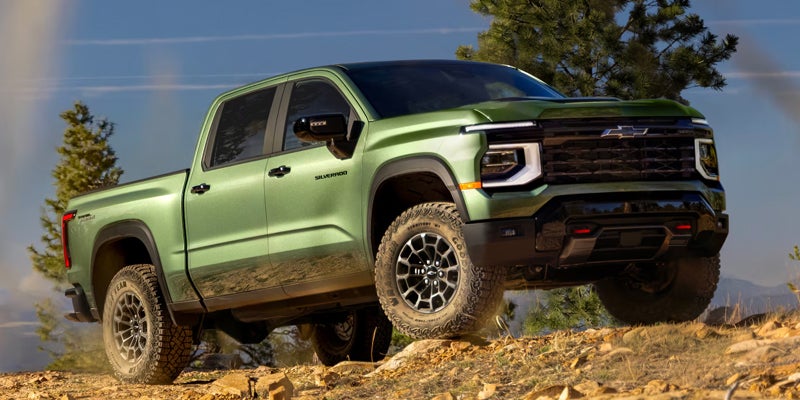
One of the biggest draws of leasing is the ability to drive a new vehicle every few years. You get the latest technology, updated safety features, and fresh styling without the commitment of full ownership. Chevrolet models like the Equinox, Trailblazer, and Silverado 1500 regularly come with competitive lease offers that make this option worth considering.
Key Differences: Chevrolet Buying vs Leasing
When comparing Chevrolet buying vs leasing side by side, a few key factors stand out. Ownership builds equity over time, while leasing keeps monthly costs lower in the short term. Leases typically include mileage caps, while ownership gives you unlimited flexibility on the road.
Maintenance is another consideration. Leased vehicles are usually covered under the manufacturer's warranty for the full lease term, which can reduce out-of-pocket repair costs. Owned vehicles may eventually need maintenance beyond the warranty period, though Chevrolet Certified Service can help keep any Chevy running well regardless of ownership status.
Insurance costs can also vary. Both lenders and leasing companies both require comprehensive coverage, but lease agreements may require slightly higher minimum coverage levels.
Which Option Makes More Financial Sense?
The financial picture depends heavily on your lifestyle. If you want to minimize monthly expenses and enjoy driving a newer vehicle every few years, leasing may be your best path. If long-term savings and full ownership matter more to you, buying is likely the smarter investment.
For many people, the decision comes down to priorities. Leasing works well for those with predictable, lower-mileage driving habits. Buying suits drivers who want flexibility, value equity, or plan to eventually own their vehicle free and clear.
Visit Everett Chevrolet to Explore Your Options
So, if you're leaning toward buying or leasing, Chevrolet has something for every kind of driver. From the versatile Equinox to the capable Silverado, there's a model - and a payment structure - that fits your needs. Stop by Everett Chevrolet to talk through the numbers and let us help you find the right path forward for you.